Updated: December 20, 2025 at 15:52 IST
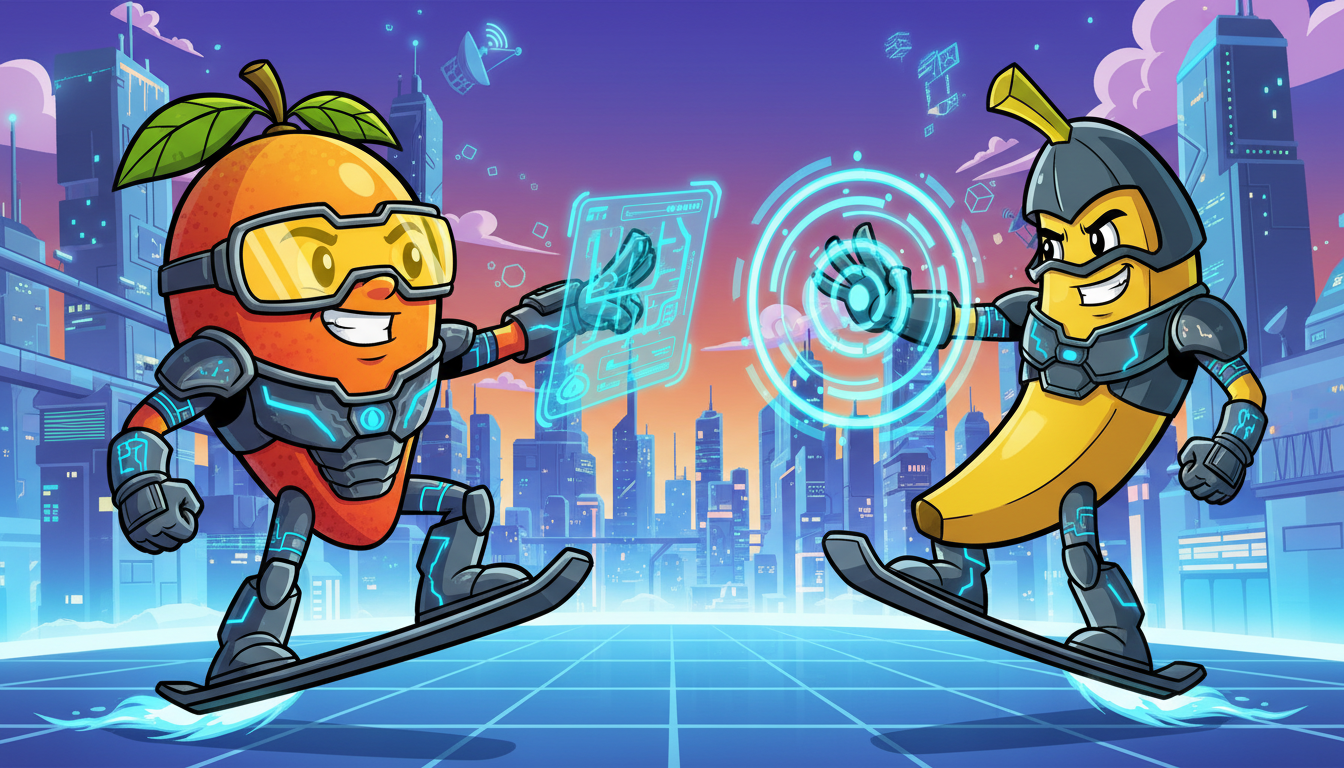
Hold onto your hats, digital natives, because the AI arms race has officially gone… fruity. Yes, you read that right. Mark Zuckerberg and Meta are diving headfirst into the visual AI game with ‘Mango,’ a new weapon designed to destroy Google’s wildly popular ‘Nano Banana.’ This isn’t just tech; it is a full-blown fruit fight for supremacy.
The Current Leader: Google’s ‘Nano Banana’
You might know it as the viral app that makes 3D figurines, but “Nano Banana” is actually the internal codename for Google’s most advanced visual engine: Gemini 3 Pro Image.
Launched throughout 2025 with major “Pro” updates hitting late in the year, this model has quietly taken over the ecosystem. It is now powering everything from Google Search to Workspace tools like Slides and Vids. Unlike older image generators that just make pretty pictures, Nano Banana is praised for “high-precision editing.”
Why it is winning:
- Doodle-Based Editing: You can sketch a rough idea, and it renders it in 4K.
- Text Rendering: It handles text in multiple languages perfectly (a huge pain point for competitors).
- Real-World Knowledge: It pulls live data from Google Search, making the images factually accurate.
I decided to put the ‘Nano Banana Pro’ to the test today. It is stupidly addictive. I uploaded a selfie, and instead of a basic cartoon, it generated a high-detail clay figurine that looked like a Pixar movie character. The data backs this up: Nano Banana has driven massive adoption for the Gemini app, boosting monthly users significantly in Q4 2025.
Meta Strikes Back: Inside Project ‘Mango’
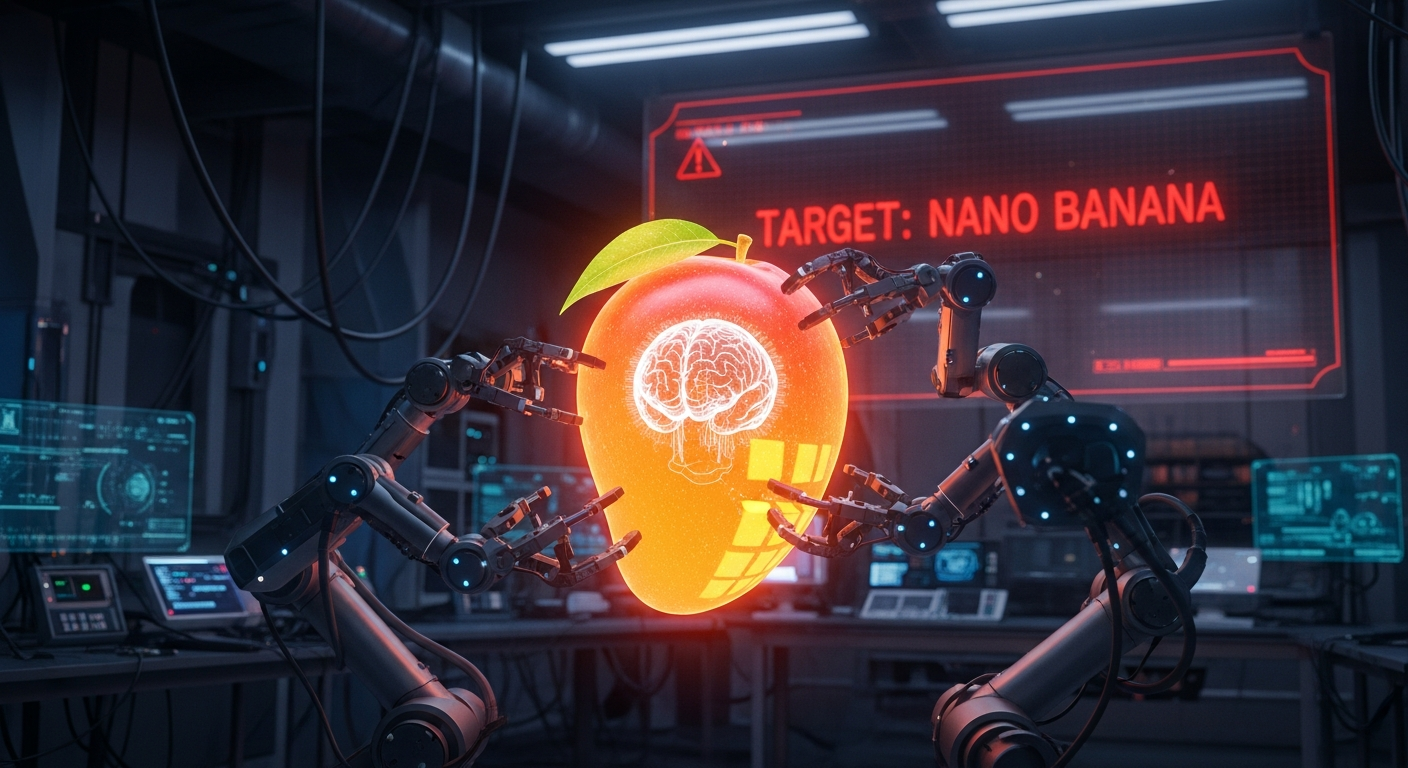 ⚑
⚑Mark Zuckerberg isn’t just watching this happen; he is counter-attacking. Leaks from December 18 revealed that Meta has mobilized its Superintelligence Labs, led by Chief AI Officer Alexandr Wang, to build a “Banana Killer.”
The project is codenamed ‘Mango.’
Slated for release in the first half of 2026, Mango is being built alongside a text-based coding model called ‘Avocado.’ But here is the twist: Unlike Meta’s history of open-source “Llama” models, rumors suggest Mango might be a closed, monetized product. Meta has been aggressively poaching talent from OpenAI to ensure this tool doesn’t just match Google, but beats it.
The Goal: Meta wants Mango to understand the “physical world.” While Nano Banana is great at static images, Mango aims to dominate video generation, potentially challenging tools like OpenAI’s Sora.
Verdict: The Turning Point of 2026
This fruit-themed rivalry marks a major turning point in the AI race. Google currently holds the crown with Nano Banana’s ecosystem integration and rave reviews for realism.
However, Meta’s aggressive investment in “Mango” suggests they are done playing catch-up. If Mango can deliver superior video capabilities and physical-world reasoning next year, the crown could shift again.
For now, the winner is the user. Whether you are Team Banana or Team Mango, the tools available to creators are becoming more powerful—and more fun—by the day.