Updated: March 5, 2026 at 15:50 IST
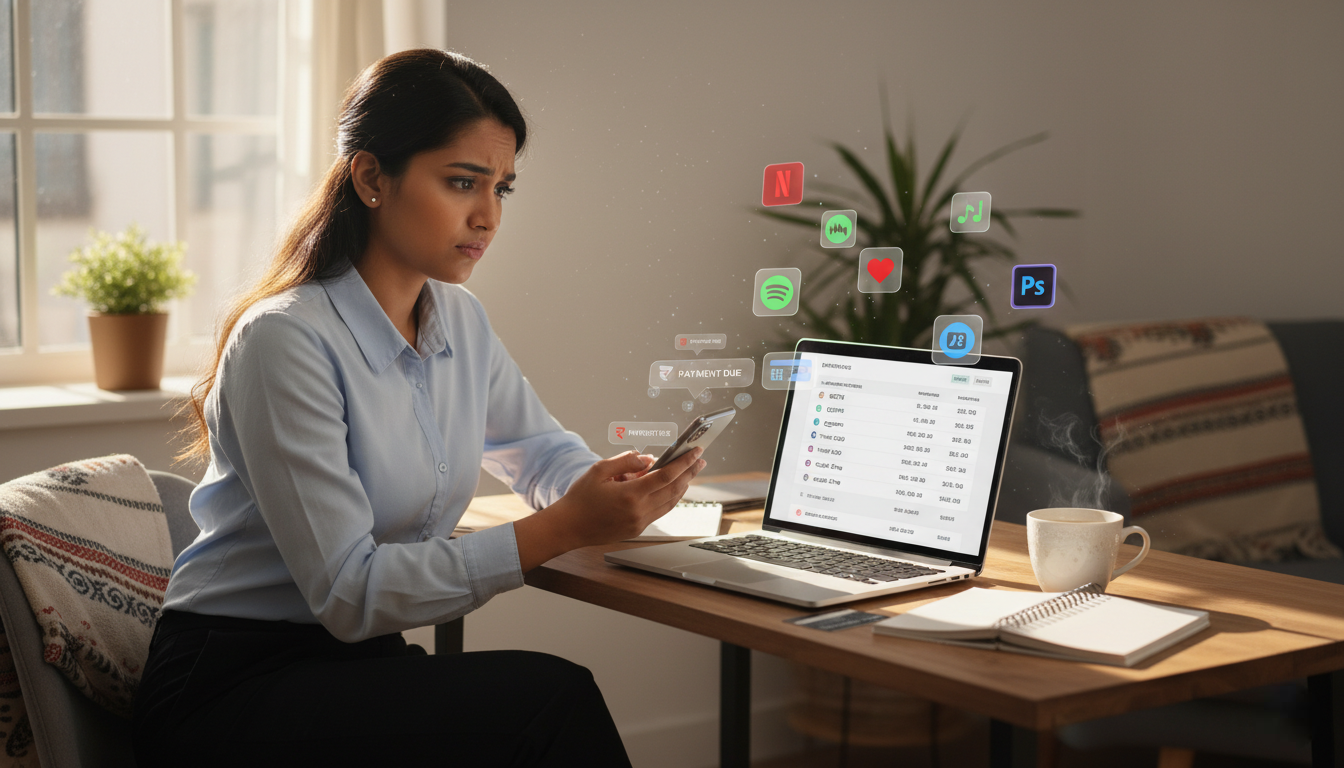
Somewhere along the way, our savings accounts quietly turned into paying accounts. One small subscription here, a ₹1 trial there, and suddenly multiple services start deducting money every month — often without us noticing.
In the modern internet economy, almost every digital service wants one thing from users: a subscription. From OTT platforms to dating apps, cloud storage, productivity tools, and even simple mobile apps — companies increasingly prefer recurring payments instead of one-time purchases.
Auto-pay itself is not the problem. In fact, it is extremely useful in a fast-paced digital world. The issue arises when subscriptions are designed in ways that make it easy to start paying, but surprisingly difficult to stop.
The Quiet Shift: From Savings Accounts to Paying Accounts
Many internet users don’t realize how easily a single payment can convert into a recurring subscription. Sometimes it starts with a small ₹1 trial or a heavily discounted introductory offer. What follows is automatic billing that continues until the user actively cancels it.
In theory this sounds reasonable. In practice, it often leads to situations where:
- A user forgets they subscribed.
- The cancellation option is hidden or confusing.
- The service renews before the user even realizes.
- The payment continues for months without actual usage.
Design That Encourages Accidental Subscriptions
Some platforms are designed with friction in only one direction — starting the subscription.
- One-click upgrade buttons.
- Free trials requiring payment setup.
- Auto-pay activated during a simple payment.
- No clear reminder before renewal.
Dating apps are a common example. A friend once subscribed to a weekly plan on a popular dating platform. The subscription kept renewing every week, but he struggled to find the cancellation option in the app. Eventually, after months of payments, he ended up closing his savings account to stop the auto-debits.
This is not an isolated experience. Many users discover unwanted subscriptions only when checking their bank statement.
The Bigger Question: What Happens in Real Life Situations?
Subscription systems often assume a user will always manage their account. But real life is unpredictable.
- What if someone becomes seriously ill?
- What if they stop using the service entirely?
- What if they simply forget the subscription exists?
- What happens if the subscriber passes away?
In these cases, payments can continue silently unless family members notice and intervene.
I don’t have exact global data on how much money is lost this way, but considering how widespread subscription services have become, the total amount is likely significant.
Auto-Pay Is Useful — But It Needs Better Transparency
It’s important to be fair here. Auto-pay is not inherently bad.
It makes life easier for many essential payments:
- Electricity bills
- Internet services
- Insurance premiums
- Cloud storage and work tools
The problem is when companies design systems that prioritize frictionless payment but not frictionless cancellation.
Simple Practical Steps to Protect Yourself
1. Separate Your Main Savings Account from Internet Payments
This is one of the simplest and most effective habits.
- Keep your primary savings account separate.
- Avoid linking it directly to online subscriptions.
- Use another account or payment method for digital services.
This reduces the risk of unnoticed recurring charges.
2. Use a Credit Card for All Subscriptions
Using a credit card can give you stronger control.
- Set spending limits.
- Disable international payments if not required.
- Monitor subscription charges easily in statements.
Most importantly, if a service continues billing despite cancellation, you can block the payment request through the card issuer.
While it is always better to cancel directly with the service provider, stopping payment through your card can act as a final safeguard.
What Companies Could Do Better
There are a few simple improvements that would make subscriptions more transparent:
- Clear renewal reminders before billing.
- One-click cancellation just like one-click subscribe.
- Optional manual monthly payment even with active subscription.
- Simple dashboard showing all active subscriptions.
These changes would build more trust with users instead of trapping them in unnoticed renewals.
FAQs
Why do companies prefer auto-pay subscriptions?
Recurring payments create predictable revenue for companies and reduce payment friction for users. However, the model works best when users have clear and easy control over cancellations.
Are ₹1 trials safe?
They are legitimate in many cases, but they usually activate a full subscription after the trial period. Users should always check the renewal terms before paying even a small trial amount.
What is the safest way to manage online subscriptions?
Using a credit card or a separate payment account for subscriptions is often safer. It allows better tracking of charges and easier control over unwanted recurring payments.
Conclusion
The subscription economy is here to stay. It powers many services we rely on daily. But convenience should not come at the cost of transparency.
Auto-pay should work as a helpful tool — not a silent drain on a user’s bank account. Until better industry practices and regulations emerge, users need to stay cautious, monitor their subscriptions regularly, and maintain stronger control over how their payments are authorized.