
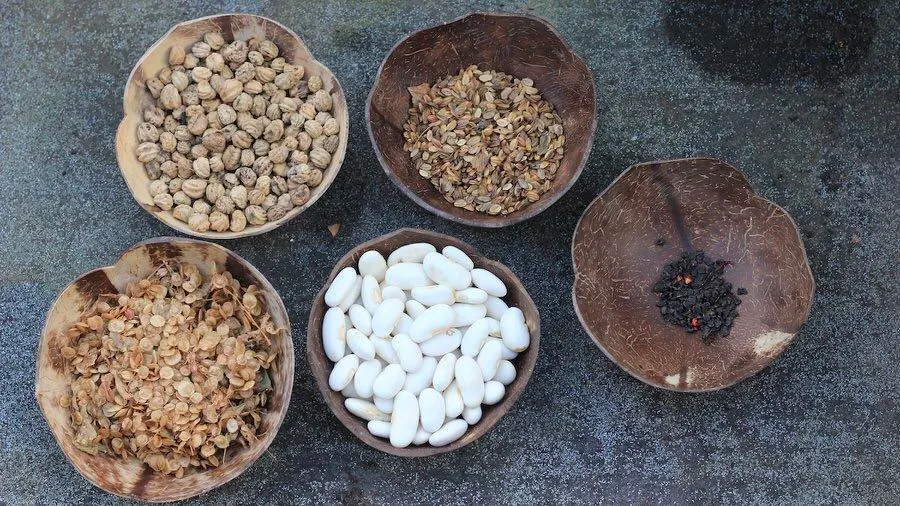
- Skill
- Beginner
- Tomato seed
- viable 3 to 7 years
- Pea seed
- viable 2 to 4 years
- Onion seed
- viable 1 to 2 years
Two packets of seed can look the same and still behave very differently once they hit the potting mix. This guide shows you what makes some seed sprout and grow vigorously while other seed sulks. It also covers how to sort the old packets already in your cupboard and where to look for better seed, even on a small budget. An hour spent here before sowing can save you a windowsill full of empty pots.
Why seed quality shows up in your pots
A seed carries everything a plant needs to become strong and healthy, so a poor start is hard to fix later. Fresh, well-produced seed tends to give you:
- More seeds that sprout. Germination rates are higher.
- Sturdier seedlings. They are more likely to thrive and hold up against pests and diseases.
- Often a bigger harvest.
- Plants that match the label. Good seed is more likely to be "true to type," meaning it shows the traits described for that variety. Poorly bred plants can lose flavor or become more prone to disease.
Four things that decide how good a seed is
The parent plant. Healthy seed only comes from strong plants grown in good conditions by someone who knows how to save seed properly. You can't see any of this when you buy a packet, so you are relying on a seller you trust.
Where it was grown. Seed saved from plants grown in a climate and conditions like yours becomes better adapted to them. Many large seed companies import their seed from thousands of miles away. That doesn't make it bad, just not ideal.
Its age. All seed loses viability and vigor over time, and some types fade faster than others. As a guide:
- Tomato seed can stay viable for 3 to 7 years.
- Pea seed lasts 2 to 4 years, and germination can fall off quickly as it ages.
- Onion seed lasts only 1 to 2 years.
Lists of how long other seeds last are easy to find, and they are worth checking before you sow from old packets.
How it was stored. Seed keeps best when it is cool, dark, dry and stable. Warmth or even slight damp makes it deteriorate faster.
Read the date carefully
Many seed packets show only a packing date, often just the end of the packing year, rather than when the seed was collected. That date won't tell you how old the seed actually is.
Sort the packets you already have
Go through your stash with the age guide above. Fresh seed usually performs better, but there's no need to throw out older packets that have been kept cool and dry and are still within their expected lifespan. Use those up. If you're unsure about a packet, sow a few seeds first and see how they come up before you commit a whole tray.
Store what you keep
Put the seed you are holding onto somewhere cool, dark, dry and steady in temperature. A warm kitchen shelf or a slightly damp shed will shorten its life.
Where to look for better seed
- Small suppliers aimed at home gardeners. They often carry varieties and packet sizes that suit small spaces, and some save or source seed grown in your own country.
- Suppliers that serve small-scale professional growers. Their seed tends to be more reliable in quality.
- Local seed swaps. These often happen in spring. They aren't always well advertised, so you may need to ask around to find one near you.
Getting seed on a budget
Seed costs add up quickly, especially once postage is included. To spend less:
- Go to seed swaps, start one yourself, or trade seed informally with other growers.
- Join a community gardening group. Someone often has extra seed to share.
- Try online marketplaces for low-cost seed, knowing that quality varies.
- Learn to save your own. Peas and tomatoes are among the easiest to save each year.
- Be cautious with seed from budget supermarkets. It is sometimes fine, but quality tends to be less consistent.
The three things to remember
- Seed quality makes a real difference, so a reliable supplier is worth finding. Even so, cheap seed will often grow fine if that's what you can get.
- Seed declines with age and poor storage, some kinds faster than others. Fresh is usually better, but well-stored seed that is within its expected lifespan is worth using.
- If seedlings come up patchily or grow weakly, the seed itself may be the cause. Also check your watering, the temperature and the quality of your potting mix.

0 comments
Join the conversation