
- Time
- Under an hour
- Skill
- Beginner
- Tools
- Trowel, your hands
Last season's compost doesn't have to be thrown out. With two quick checks, one for nutrients and one for structure, you can plant straight back into the same pots, cut waste and save the cost of fresh bags. Most containers take a few minutes each, so a full patio's worth fits into about an hour.
Reused compost can keep going for several years, and plants sometimes grow even better in it than in new compost. In one long-running trial, tomatoes grew in the same pot and compost for six consecutive years and performed just as well each year. One pot held a compost based on composted bark and wood, the other a coir-based compost, and both did equally well.
What you will need
- The used compost, still in its container or tipped out
- A general-purpose organic fertilizer, such as blood, fish and bone, or a vegan equivalent
- Homemade compost or worm compost, if you have it
- Seaweed meal for minerals (optional)
- Chicken manure pellets or rapeseed (canola) meal, for leafy crops
- Good-quality new compost
- Composted woodchip or coir (coconut fiber), if the old compost is compacted
Step by step
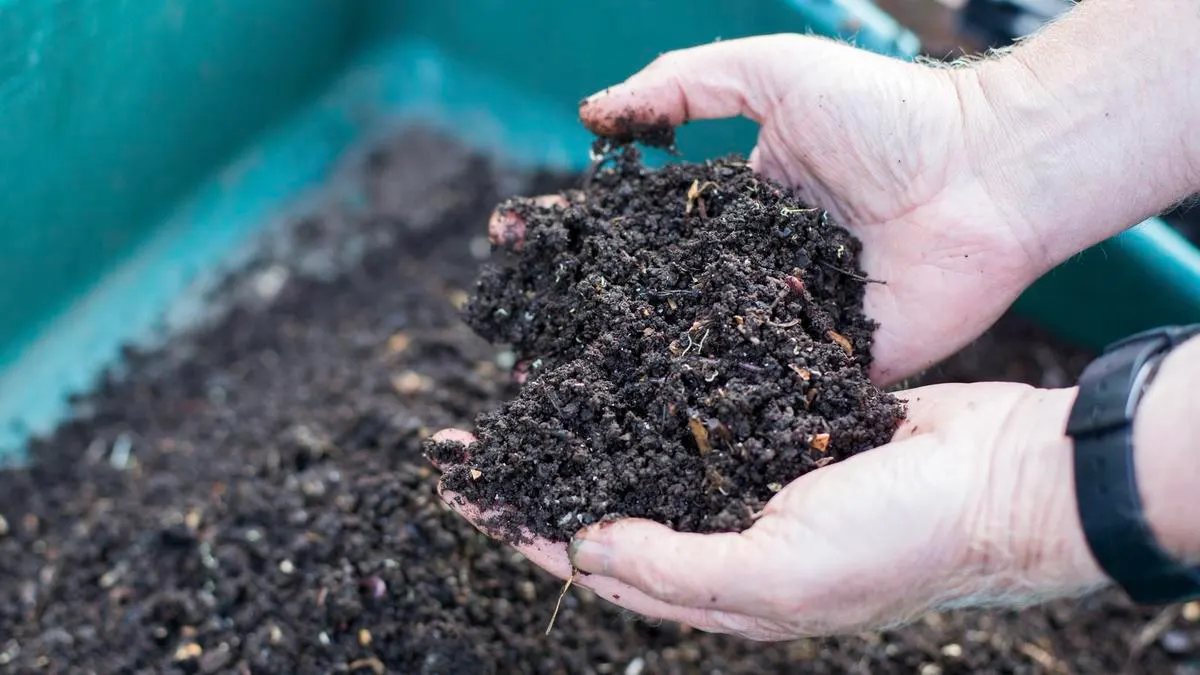
- Squeeze a handful. Over time, compost compacts and loses some of its air spaces, and roots need those gaps to breathe. Pick up a handful and squeeze it. It should feel crumbly.
- Open up sticky compost. If it feels sticky or claggy, mix in materials that improve drainage and structure. Composted woodchip or coir work particularly well. If you can't find either, a few handfuls of new compost will help.
- Add a general feed. Mix in a handful or two of general-purpose organic fertilizer. Add some homemade or worm compost too if you have it, and a handful of seaweed meal if you like. The seaweed isn't essential.
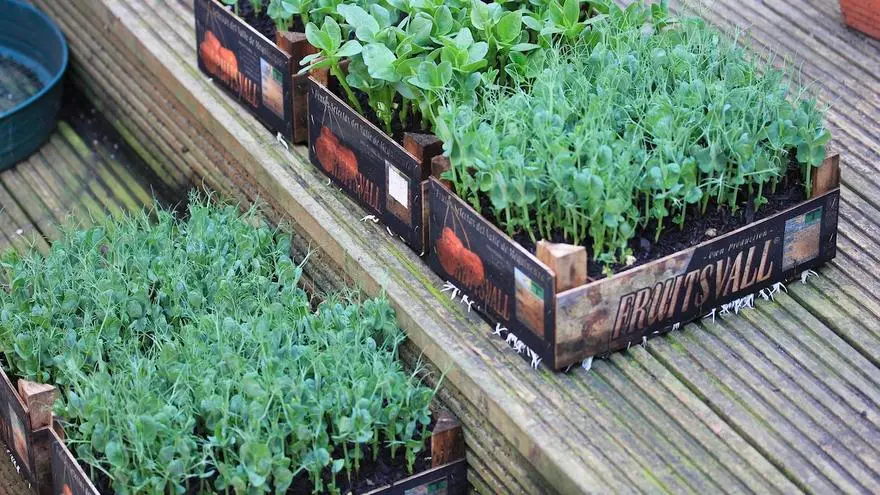
- Boost nitrogen for leafy crops. For salads, kale and other leafy plants, use chicken manure pellets or rapeseed meal. Both are rich in nitrogen, which drives leaf growth, and also contain phosphorus, potassium and other important minerals.
- No fertilizer? Use new compost. Add 30–50% good-quality new compost instead. Either mix it through or simply spread it as a fresh layer on top of the pot.
- Top-dress before sowing. If you're sowing seeds directly into the pot, add a 1–2 cm layer of new compost to the surface. Seeds may germinate better in fresh compost, and the layer may also help hide worms from blackbirds, which like to dig them up.
- Keep feeding through the season. Once plants are growing, regular liquid feeds help keep them productive.
Choosing between pellets and meal
Chicken manure pellets are widely available in garden centers and sometimes supermarkets. Rapeseed meal is harder to find in small quantities, since it's often sold as cattle feed, but it is available online. It's less smelly and easier to mix in than chicken manure, and a little goes a long way: a 10 kilo bag has lasted about eight years in a container garden.
Try the no-dig route in big pots
In larger containers, you can skip mixing altogether. Cut the previous crop off at the base and leave its roots in the compost to rot down. Then spread a layer of worm compost or fresh compost over the surface.
This copies what happens in nature, where fertility is replenished by organic matter breaking down on the soil surface. In trials it works well, though it hasn't proved significantly better than mixing fertilizer in.
Peat-free holds up
Many peat-free composts keep their structure better over time than peat-based ones, so they often need less fixing before reuse.
What to plant first
Almost any plant will grow well in old compost if you replace the nutrients and check the structure. Some are less fussy than others, though, and make a good first try:
- Salads and other leafy crops
- Potatoes
- Jerusalem artichokes
- Mint
- Courgettes (zucchini) and squash
Tomatoes, chilies and aubergines (eggplants) are slightly more fussy. They're still very possible in reused compost, but if this is your first time, start with the easier crops and move on to these once you've seen how your compost performs.


0 comments
Join the conversation