
- Skill
- Beginner
- Gear
- Long telephoto lens
- Focus
- Fieldcraft and honest editing
This guide gives you a set of field habits for photographing animals and wild places without harming them, plus clear rules for editing those pictures honestly. Read it in a few minutes, then put it to work on your next walk, whether that is a national park or the trail behind your neighborhood.
Why your footprint matters
One person on a trail feels harmless. Visit almost any national park, wilderness area, trail or campground, though, and you will see how messy and careless people can be. The effect adds up as more visitors arrive, and fragile ecosystems take the damage.
The animals feel it too. A stressed animal can become a real danger to itself and to people. Photographers chasing a shot have pushed animals onto roads or away from the places where they nest and feed. Your aim is to record natural behavior as it happens, not to disrupt it or stage your own version of it. Calm animals behave naturally, and that makes for more authentic, more compelling pictures.
Disappear from the scene
Animals notice you long before you notice them, so cut down what they can smell and hear.
- Skip perfume, scented shampoo and other strong fragrances.
- Keep your voice low while you hike, and stay silent while you watch or shoot.
Even subtle stress can make an animal abandon a nest, miss a chance to mate or abort a hunt. Each of these matters to its survival.
Keep your distance
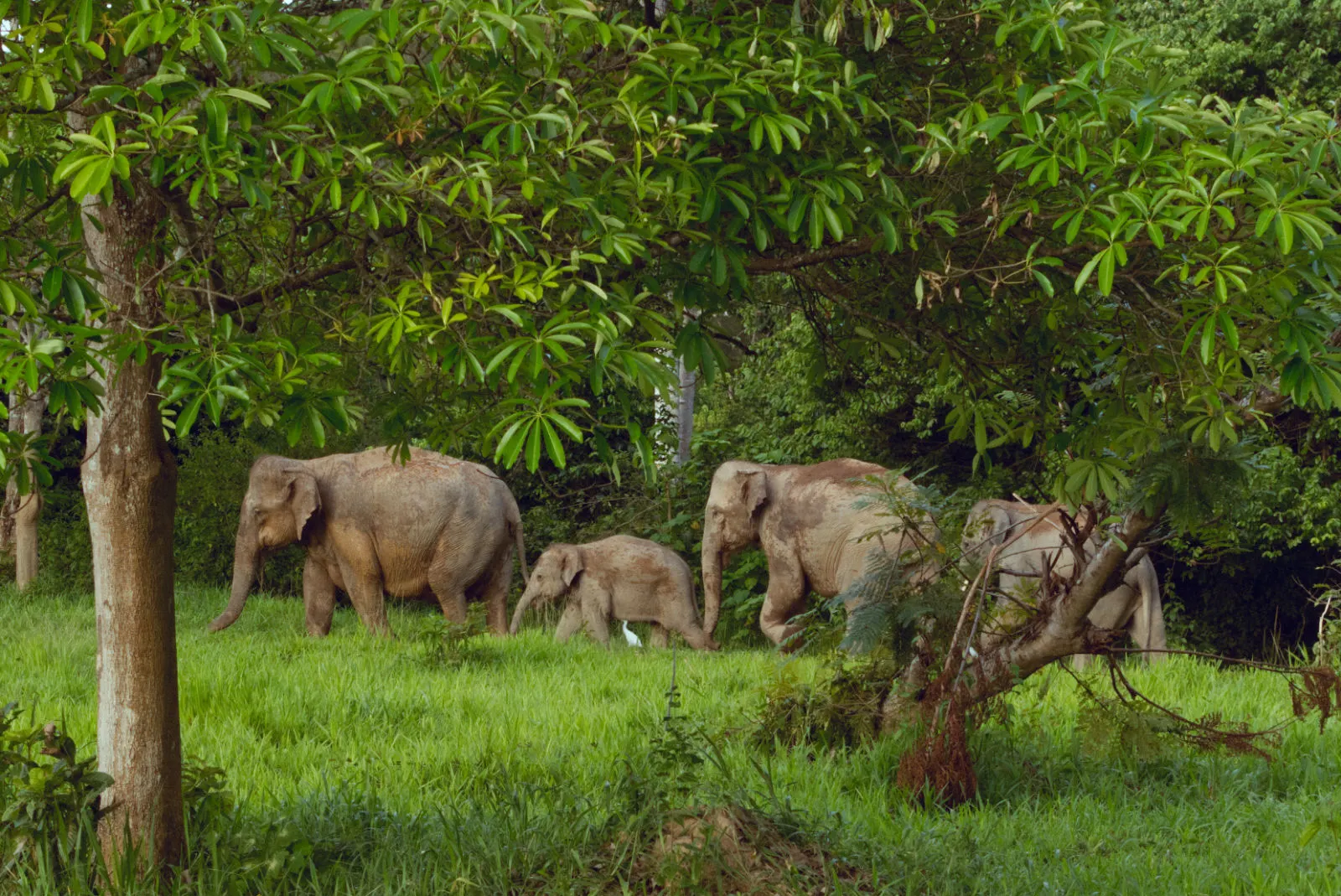
Let the lens do the approaching. A long telephoto lens lets you fill the frame from far away. If an animal shows signs of agitation, back off further.
Be extra careful during vulnerable periods: mating, nesting, feeding young, and harsh weather. Chasing a fox or deer through snow, for example, can drive it closer to predators such as wolves.
Do not feed wildlife
Feeding animals can make them depend on people, change how they find food and reduce their fear of humans. That can lead to bites and vehicle collisions. In some areas, feeding has changed natural migration patterns, which can alter entire ecosystems.
Watch where you step
Trails keep you from getting lost, and they also limit habitat damage. Stay on established trails whenever you can. Where there is no trail, move carefully, because one careless step can destroy a nest, a burrow or delicate plants.
- Choose durable surfaces such as rocks or gravel when possible.
- Avoid stepping on fragile plants or disturbing the soil.
- Pack out all trash, including food wrappers and biodegradable items like fruit peels.
- Follow the principles of Leave No Trace so the place looks the way you found it.
Go easy on the flash
Bright flashes startle and stress animals. People may be used to flash photography, but wildlife is not. Work with natural light whenever you can, and keep flash use to a minimum.
Choose tours with care
Some safari outings show dozens of vehicles packed in a tight circle around a single lion, or following it in hot pursuit while lenses poke out of the windows. The urge for the shot, and how normal this has come to seem, can put photography ahead of the animal's well-being.
Skip businesses that harass wildlife or damage habitats to get you closer. Pick ethical tours and guides that respect nature and the animals living there. Keeping a respectful distance can actually improve your chances of seeing natural behavior.
Edit honestly
People looking at a wildlife or nature photo assume it shows what was really there. Most wildlife photographers limit themselves to minor adjustments:
- Cropping and straightening the horizon
- Small changes to levels and contrast
- Correcting white balance
Adding or removing elements goes further. It can mislead viewers and damage your credibility. Fine art photography is the exception, since more manipulation is usually expected and accepted there.
Using AI tools
AI tools can add or remove elements with a single click. Do not use them to build misleading scenes, such as inserting animals that were not there or changing a landscape beyond recognition. If you use AI-generated elements, say so clearly.
If you make significant changes to a photo, disclose them. Being upfront protects your reputation, keeps your audience's trust and saves you embarrassment and conflict later. Every year some photographers face backlash over undisclosed edits in contests or publications, so stay true to the scene you actually saw.
Before you head out
Follow the advice of rangers and trail signs wherever you go. Put the well-being of the place and its animals ahead of the picture, and keep your edits honest. Your photos will be better for both.


0 comments
Join the conversation