
- Strength days
- At least 2 a week
- Reps
- 8 to 12 per set, at least 2 sets
- Aerobic
- 150 min moderate or 75 min vigorous
- Skill
- Beginner
In about an hour you can sketch out a week of movement that builds strength and keeps your joints moving well. This guide covers what counts as strength and flexibility work, how much to do, and how it fits alongside your walking or cycling. Strength and flexibility exercises can help you increase muscle strength, maintain bone density, improve balance and reduce joint pain.
What strength work actually means
A strength exercise is any activity that makes your muscles work harder than usual. Over time this increases your muscles' strength, size, power and endurance. You can use your own body weight or work against a resistance.
You have plenty of options:
- lifting weights
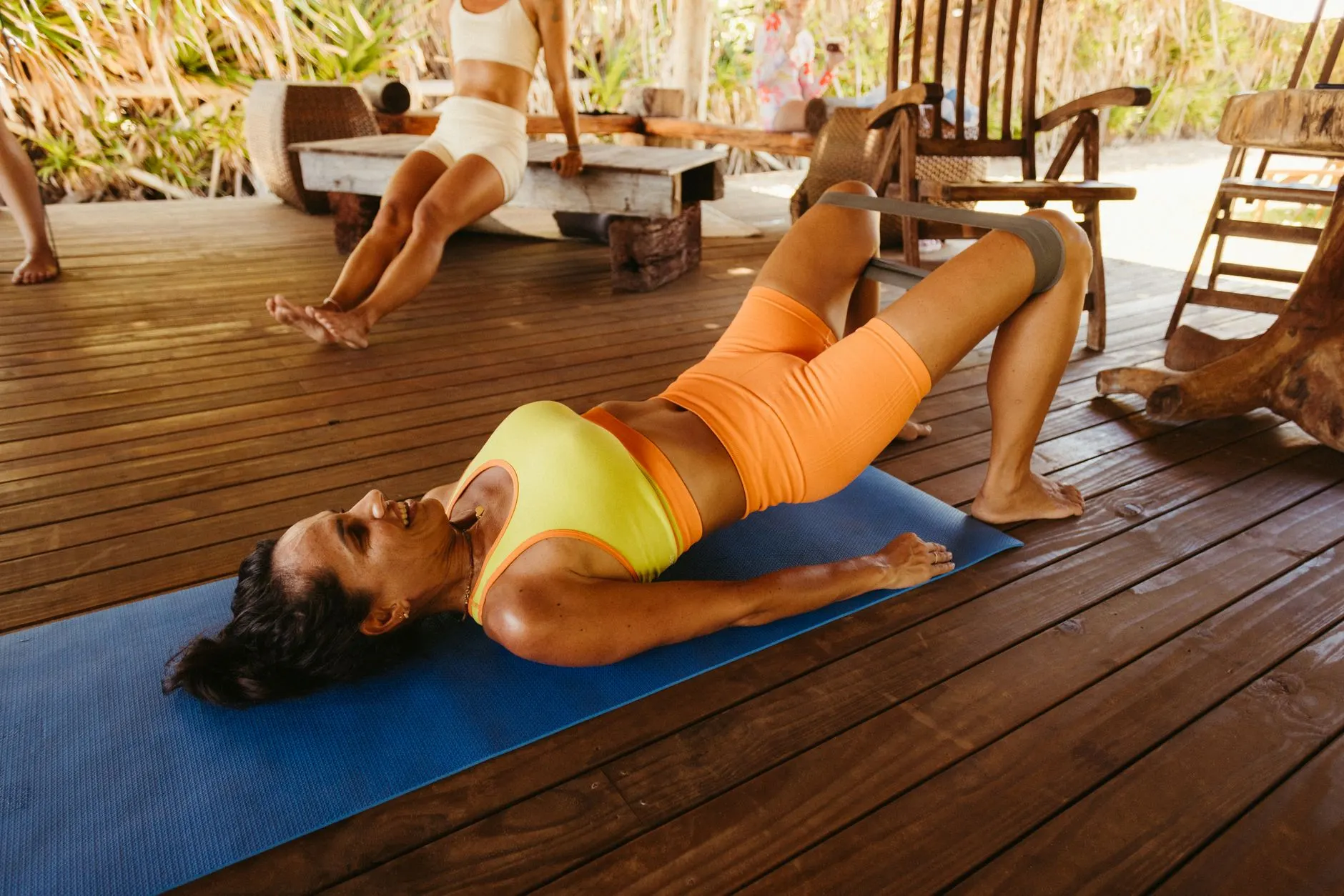
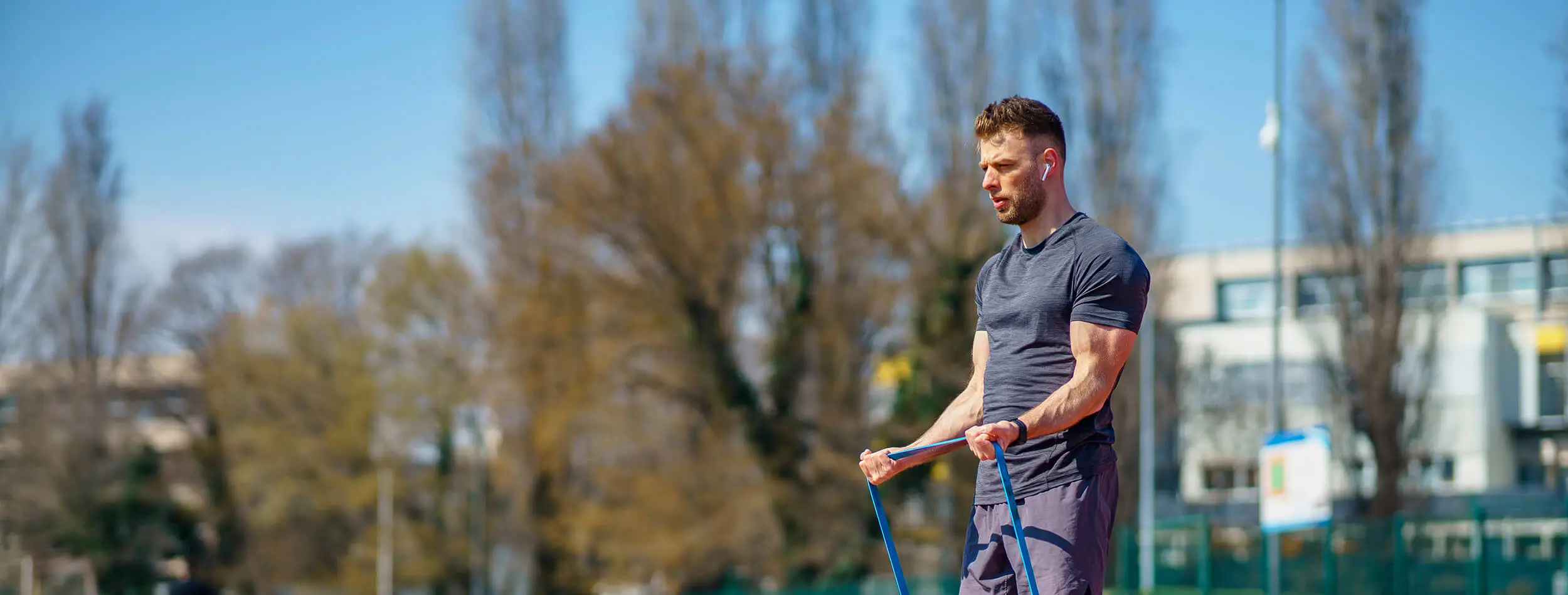
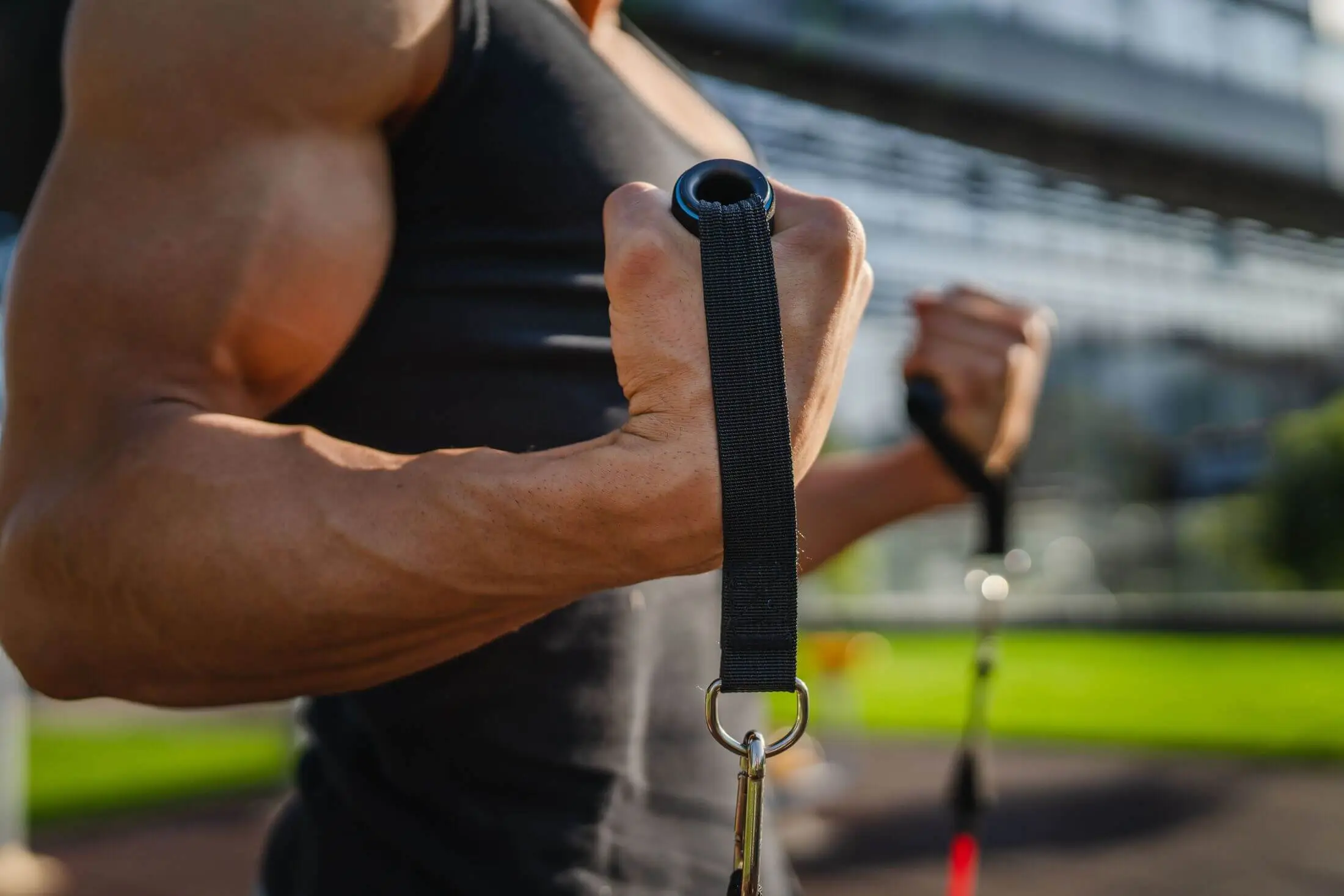
- working with resistance bands
- heavy gardening, such as digging and shoveling
- climbing stairs
- hill walking
- cycling
- dance
- push-ups, sit-ups and squats
- yoga
How much to aim for
Plan strength sessions on at least 2 days a week. Each session should work all the major muscle groups: legs, hips, back, abdomen, chest, shoulders and arms.
Three terms help you plan:
- Repetition: 1 complete movement, such as lifting a weight once or doing 1 push-up or 1 sit-up.
- Set: 8 to 12 repetitions of one activity.
- Sets per activity: at least 2. For even more benefit, do 3.
Work each exercise to the point where it would be difficult to do another repetition without help. Start gradually and build up over a period of weeks rather than jumping straight to 3 hard sets.
There are no specific recommendations for how long your strength and flexibility sessions should last, so fit them to the time you have.
Checking you did enough
For an activity to count as muscle strengthening, it needs to work your muscles to the point where you may need a short rest before carrying on. If you are lifting weights, that means putting the weight down after a number of lifts before you continue.
Add flexibility
Flexibility exercises improve a joint's ability to keep the range of movement you need for daily tasks and physical activity. Good choices include:
- stretching
- yoga
- tai chi
- pilates
Health professionals believe that better flexibility can improve your posture, reduce aches and pains, and lower your risk of injury. It can also help you keep carrying out everyday tasks.
Build in balance to help prevent falls
Exercises that improve leg strength, balance and co-ordination can help people maintain and improve their muscle strength and avoid falls as they get older. Leg-strengthening activities include:
- tai chi
- yoga
- dance
- walking up stairs
- hiking
- lifting weights
Strength work also helps you keep doing everyday tasks and slows the rate of bone and muscle loss associated with aging. If any movement hurts, stop and rest rather than pushing through it.
Fit it around your aerobic activity
For general health, aim for at least 150 minutes of moderate-intensity aerobic activity a week, plus muscle-strengthening activities on 2 days a week.
Time spent on strength exercises does not count toward those 150 minutes. Aerobic activities such as walking or cycling do count.
When one activity covers both
Some aerobic exercises also strengthen your muscles if you do them at a vigorous intensity. If your aerobic activity is vigorous, you should be able to meet your whole week's aerobic and muscle-strengthening needs with 75 minutes of activity.
Activities that can do double duty at a vigorous pace include:
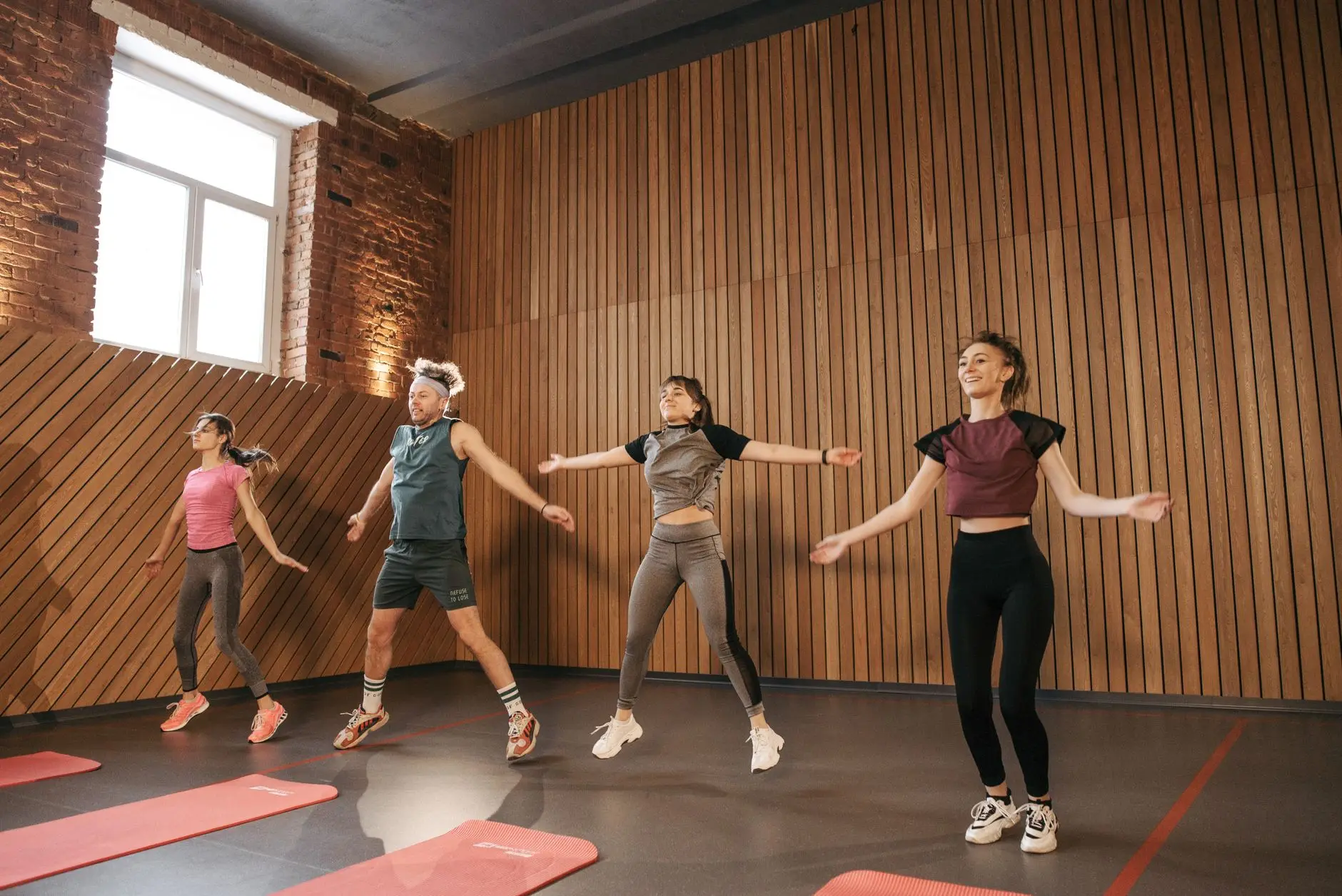
- circuit training
- dancing
- martial arts
- football
- hockey
- rugby
Physical activity guidelines differ by age group, and local health guidelines apply where you live.
Putting your week together
With a calendar and an hour, block out your plan:
- Pick at least 2 days for strength work, and list one activity for each major muscle group.
- Note the target for each: 8 to 12 repetitions, at least 2 sets, rising to 3 as you build up over a few weeks.
- Slot in a flexibility activity, such as stretching or yoga, on days that suit you.
- Add a balance activity like tai chi or stair walking if falls are a concern.
- Fill in your aerobic time: 150 minutes moderate, or 75 minutes vigorous.
Keep the first few weeks light, and adjust as the sessions start to feel easier.
Information adapted from How to improve your strength and flexibility on the NHS website, licensed under the Open Government Licence v3.0.


0 comments
Join the conversation