
- Plan ahead
- At least the next couple of days
- Thawing
- Start three days out, in the fridge
- Skill
- Beginner
Dinner gets hard when it lands in the busiest part of the day. This routine moves most of the work to a calmer time: a short plan, one focused shopping trip, and a prep session that leaves food ready to assemble. Set aside part of a day for it, and the nights that follow get quieter.
Why this works
Everyone decides what to eat eventually. The question is whether you decide at the last minute or a little sooner. Deciding earlier raises your chances of a healthier, cheaper meal. It also means the baby who wants to be held at 6 p.m., or the day that runs right up to dinner, doesn't leave you with nothing to cook.
Good intentions don't make dinner on their own. A few small decisions, made ahead and written down, do.
What you will need
- Pen and paper or a notes app for your meal plan
- Your calendar
- Groceries for the next few days
- A cutting board and knife
- A grater for cheese
- Room in the fridge and freezer
Step by step
-
Write a short meal plan. Look at what you already have and list meals you can make from it. Cover at least the next couple of days. A quick list is enough. It doesn't need to be elaborate.
-
Check your stock before you shop. Go through the cupboards, fridge and freezer and note what you actually need. This keeps you from buying too much or too little, whether you tend to overbuy or tend to come home missing things.
-
Shop at a quiet time, and not hungry. Pick a calm time of day and buy only what your plan needs. Make sure you leave with everything for the next few days.
-
Start thawing early. Look at meals planned three days out. Move anything frozen for those meals into the fridge now. A roast you move today will be ready to cook in three days.
-
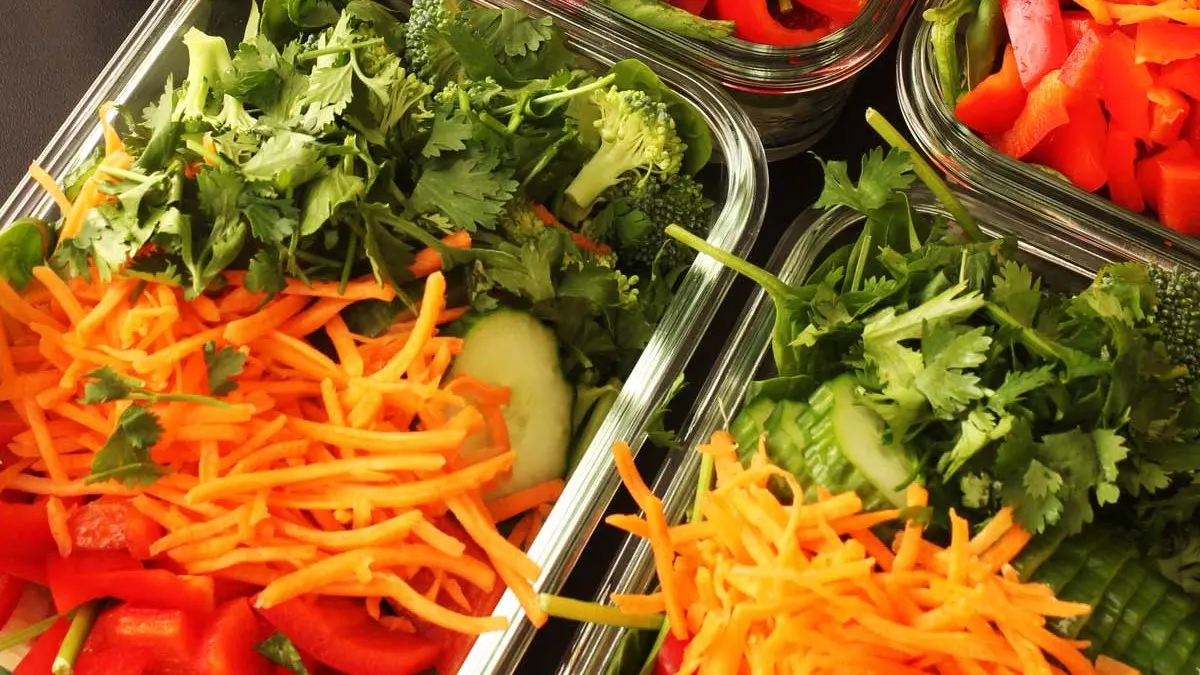
Chop, slice and shred ahead. List the ingredients that show up across the week's meals and prepare them in one batch. Good candidates:
- Chopped onions
- Sliced olives
- Shredded cheese
- Cooked and shredded chicken
Pre-cooking grains and proteins saves time later too.
-
Make some meals all the way through. Pick one or two dishes you can finish now and store in the fridge or freezer until you need them. Lasagna and cheese enchiladas both work well. So do building blocks like homemade taco meat or homemade pinto beans, which you can turn into different meals later in the week.
-
Put the next session on your calendar. Writing "meal prep" on a to-do list is not the same as booking a time for it. Give it a specific slot, the way you would an appointment, and it is much more likely to happen.
Cook when you have time
The idea behind all of this is to cook when you have the time and eat without a fuss when you don't. If one evening of the week is usually free, use it for steps 5 and 6.
Making it stick
Treat the six questions as a quick check whenever you think about the next few dinners:
- Do you have a plan?
- Do you have the groceries?
- What needs to thaw?
- What can you chop, shred or slice now?
- What can you make ahead completely?
- When is the time to do it scheduled?
You don't need every answer every week. Even one of them, like moving tomorrow's chicken to the fridge or shredding a block of cheese, takes some pressure off a hectic evening.
Pairs well with hands-off cooking
A freezer stocked with finished meals and a few slow cooker recipes fit naturally into this routine. The less hands-on cooking a busy night needs, the better.
Once the habit settles in, the planning takes very little time. Most of the benefit comes from deciding early, prepping in batches and booking the time so it actually happens.

0 comments
Join the conversation