
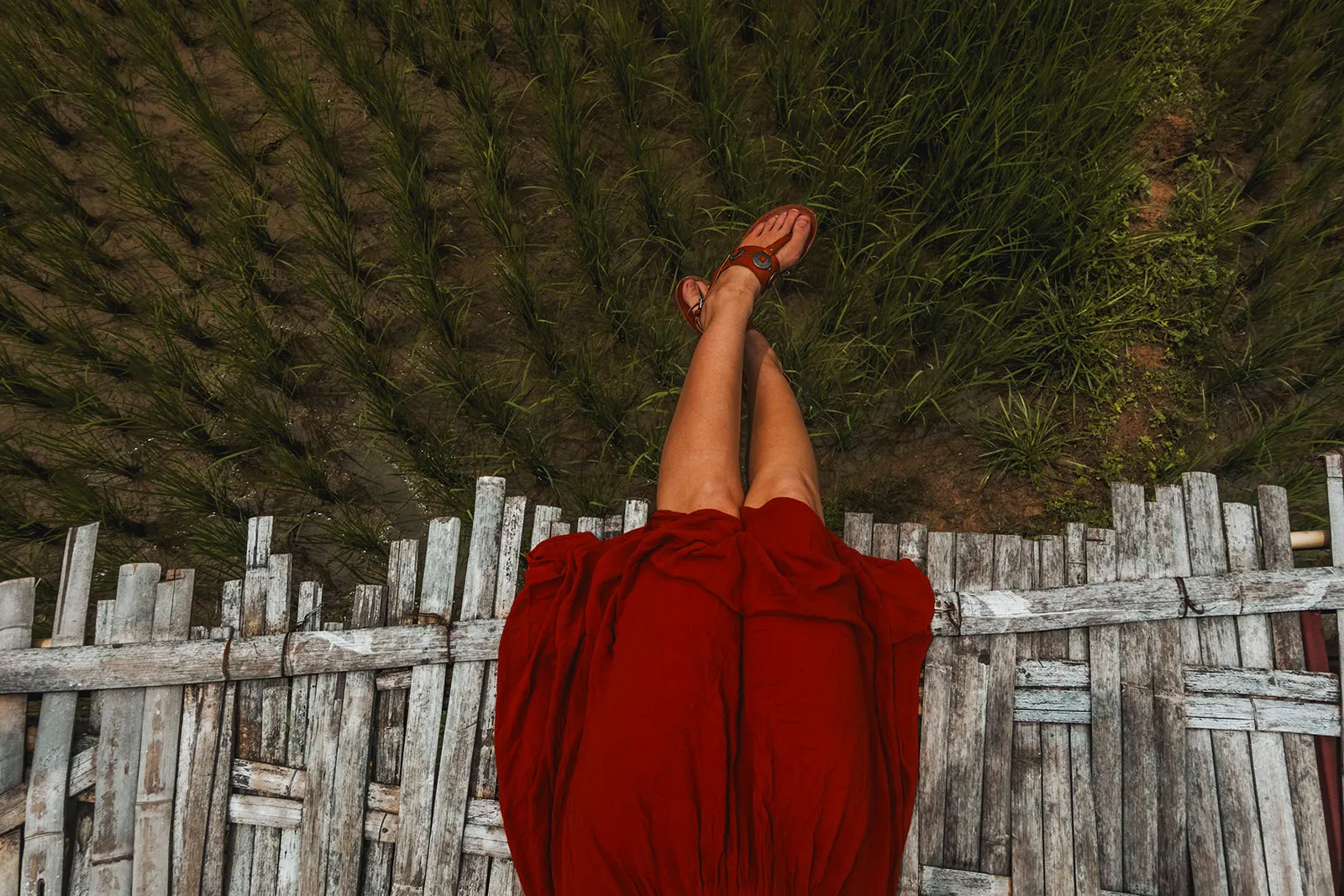
- Skill
- Beginner
- Habits covered
- 6
- Works on
- Any trip, near or far
Travel can change how you see the world and yourself, but only if you are willing to step outside your comfort zone. This piece gives you six habits to bring on your next trip. You can read them in a few minutes and start practicing the first one on your next outing.
What a trip can and cannot do
Films and social media captions sell a tidy story: a weekend yoga retreat or a few days in Bali, and someone comes home transformed. Real trips rarely work that way. What you get out of travel depends almost entirely on your own mindset and on whether you let the trip become more than just a vacation.
Many people set off expecting to return wiser, more worldly and fluent in a dozen languages. That works well in daydreams. In practice, two people on the same trip can have completely different experiences. One loves a place the other dislikes, and one is bored by what thrills the other. Neither is wrong. Each brings different expectations, needs, personality and perspective.
Travel can widen your view and build your confidence. Your current perspective, though, can be the biggest limit on what you get from it. To let a trip change you, you have to be open to change: ready to shake things up and try things that teach you something new about the world and about yourself.
Six habits to practice
1. Talk to new people, even without a shared language. Gestures, facial expressions and a bit of Google Translate carry you a long way. Learn a few words in the local language. Even if you butcher the pronunciation, shared laughter is one of the quickest ways to connect.
2. Try new things, even ones you doubt you will enjoy. Lean into experiences instead of always taking the easiest route. The bumpy roads sometimes lead to the best places.
3. Walk instead of riding. Taxis are easy, but exploring on foot shows you the heart and soul of a place. Even in big cities like Paris and New York City, being a pedestrian reveals a rhythm and beauty you miss when you are buckled into a back seat.
Practice close to home
Walking with your eyes open is a habit you can build anywhere. Take a familiar route on foot and look for details you usually miss. It is good training for noticing more on a trip, with or without a camera.
4. Expect some experiences to be bad. You cannot love everything you see and do, and that is fine. The neutral and negative moments make the good ones sweeter. When a day goes wrong from start to finish, let it go. Tomorrow is a new day.
5. Accept loneliness, homesickness and travel fatigue. People are social creatures of habit. Feeling lonely, homesick or tired of traveling is a normal response to being outside your comfort zone, not a sign you are doing it wrong.
6. Do not look for instant results. It is common to get home from a long trip and think, "I don't feel any different." Travel can change you, but the changes are usually subtle, slow and easy to miss while they are happening.
Change on its own terms
Whatever the captions claim, you probably will not wake up the morning after a trip as a new person. If you let travel widen your horizons, the rewards tend to show up gradually.
Taking it with you
Pick one habit before you leave and give it real attention. Walking is the easiest place to start, because it puts you at street level and slows you down. Add a few words of the local language, say yes to something unfamiliar, and treat the rough days as part of the trip. The point is to stay open, not to collect proof that you have changed.



0 comments
Join the conversation